

Google is set to launch its ‘Googlebook’ laptop lineup in Fall 2026 — premium hardware from Lenovo and ASUS running the all-new Aluminium OS with on-device Gemini AI, true floating window management, and native Android app support. Google’s most ambitious laptop play yet, explained.
Key Features of Google Googlebook 2026
- Expected Launch: Fall 2026 — Google confirmed ‘later this year’
- OS: Aluminium OS — Google’s ChromeOS successor with true floating windows
- AI: On-device Gemini Nano (no cloud required)
- Hardware Partners: Lenovo (business) and ASUS (consumer/creator)
- Android Apps: Run natively at full speed — not emulated
- Security: Google Titan security chip in every Googlebook
- Price: Estimated $599–$999 USD
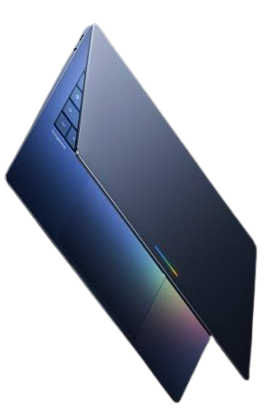
Google Googlebook 2026 — Quick Overview
| Status: Not officially announced — leaked images and analyst reports Expected/Released: Fall 2026 (Google confirmed timeframe) OS: Aluminium OS (ChromeOS successor) Storage: Not yet confirmed |
 |
RAM Not yet confirmed |
Camera N/A |
Battery Not yet confirmed |
Key Points of Google Googlebook
- Aluminium OS: Not just renamed ChromeOS — a genuine redesign with floating windows, native Android apps, and on-device Gemini that ChromeOS lacks.
- Two Hardware Variants: Lenovo Googlebook (business, ThinkPad-grade keyboard, enterprise ports) and ASUS Googlebook (consumer/creator, thinner, OLED expected).
- On-Device Gemini: Gemini Nano runs locally without internet — AI assistance available offline.
- Native Android Apps: Addresses ChromeOS’s biggest limitation — Android apps now run at full native speed, not through a slow emulation layer.
- Titan Security Chip: Google’s enterprise-grade hardware security built into every Googlebook model.
Aluminium OS — What Makes It Different from ChromeOS
ChromeOS has two persistent criticisms from professional users: no true floating window management (applications are constrained to tiling or tabs) and Android app performance that has historically been sluggish due to emulation. Aluminium OS addresses both directly. Apps now float and resize freely like Windows or macOS applications, and Android apps run through a native compatibility layer rather than an emulated container.
On-device Gemini Nano integration means AI assistance is available without a Wi-Fi or cellular connection — useful for offline document work, meeting preparation, or use in areas with poor connectivity. The Titan chip handles all security attestation locally, making Googlebook potentially attractive for enterprise buyers currently on ChromeOS for Business.
Lenovo vs ASUS Googlebook — Which Variant?
The two hardware partners serve different user segments. The Lenovo Googlebook is expected to feature ThinkPad-grade keyboard quality, ThinkShield enterprise security, traditional port selection (USB-A, HDMI, USB-C), and a 13–14 inch form factor optimised for business productivity. The ASUS Googlebook is expected to take a thinner, lighter ZenBook-style approach, with an OLED display option and a possible 15-inch variant targeting content creators.
For business buyers, the Lenovo variant’s keyboard and port selection will likely be the deciding factors. For students and creative users, the ASUS variant’s thinner design and expected OLED display option make it the more appealing choice.
How Googlebook Compares to Chromebook
| OS | Aluminium OS (floating windows) vs ChromeOS (tab/tiling only) |
| Android Apps | Native full-speed vs emulated (often laggy) |
| AI | On-device Gemini Nano vs cloud-only Gemini |
| Hardware | Premium Lenovo/ASUS vs various OEM quality levels |
| Price | $599–$999 (estimated) vs $299–$599 (typical Chromebook) |
| Linux | Full native support vs limited container |
Who Should Consider Googlebook
Googlebook makes sense for Google Workspace power users who want a premium hardware experience without moving to Windows or macOS — particularly in education administration, light creative work, and roles that live inside Google Docs, Sheets, Drive, and Meet all day. For developers, the full Linux support is a meaningful differentiator over Chromebook’s constrained Linux container environment.
Should You Wait for Googlebook?
If you are currently on a Chromebook and frustrated by its limitations — particularly with Android apps or the inability to run floating windows — yes, Googlebook is worth waiting for. If you need a laptop now and cannot wait until Fall 2026, a current Surface Laptop 8 or MacBook Air M4 will serve better in the interim. Googlebook’s Aluminium OS is a first-generation product, and as with all first-gen OS releases, some rough edges should be expected.
Google Googlebook Full Specs 2026
General Information
| Release | Fall 2026 — confirmed timeframe by Google |
| OS | Aluminium OS (Google’s ChromeOS successor) — confirmed |
| Hardware Partners | Lenovo (business) and ASUS (consumer/creator) — confirmed |
| AI | On-device Gemini Nano — confirmed |
| Security | Google Titan security chip — confirmed |
| Display | OLED expected on ASUS variant — not confirmed |
| Form Factor | 13–14 inch (Lenovo), 13–15 inch (ASUS) — estimated |
| Price | $599–$999 USD — estimated |
Aluminium OS Features
| Window Management | True floating windows — not just tabs or tiling |
| Android Apps | Native compatibility layer — full speed, not emulated |
| Gemini AI | On-device Gemini Nano — works offline |
| Linux | Full native Linux support |
| Google Apps | Drive, Docs, Meet, Gmail as first-class desktop apps |
| Security | Titan chip hardware attestation |
Pricing & Pakistan Availability
Chromebooks have historically been unavailable through official channels in Pakistan. Googlebook is likely to follow the same distribution pattern — grey market import only, at least initially. Based on the $599–$999 estimated US pricing and current import duty rates, expect PKR 180,000–300,000+ in Pakistan depending on variant and exchange rate at the time of import.
Final Verdict
Google Googlebook is the most interesting new laptop concept of 2026 — not for raw specifications, but for what it represents: Google’s most serious attempt to compete in the professional laptop market. If Aluminium OS delivers true floating window management, native Android speed, and on-device Gemini in a well-built Lenovo or ASUS chassis, the Googlebook could carve out real market share between the budget Chromebook and the expensive Windows/Mac options. The first-generation risk is real — but so is the potential.
Disclaimer: Google Googlebook has not been officially announced beyond a ‘later this year’ confirmation. All hardware specifications, pricing, and Aluminium OS feature details are based on leaks and analyst reports. Details may change significantly before the official reveal.
FAQ’s
What is Google Googlebook?
Google’s upcoming premium laptop line — Lenovo and ASUS hardware running the new Aluminium OS with on-device Gemini AI, floating windows, and native Android app support.
When will Google Googlebook launch?
Fall 2026 — Google confirmed ‘later this year’. No specific date has been announced.
How much will Googlebook cost?
Estimated $599–$999 USD depending on OEM partner and configuration. Not officially announced.
What is Aluminium OS?
Google’s ChromeOS successor — featuring true floating window management, native Android apps running at full speed, on-device Gemini Nano AI, Titan security, and full Linux support.
Can Googlebook run Windows apps?
No — Aluminium OS supports Android apps, Linux apps, and web apps, but not Windows .exe software.
Does Googlebook have on-device Gemini?
Yes — Gemini Nano runs locally without requiring a cloud connection. AI features work offline.
Pakistan price estimate for Googlebook?
Expect PKR 180,000–300,000+ via grey market depending on variant. No official Pakistan distribution planned yet.
Is Googlebook better than Chromebook?
Yes for professional users — Aluminium OS adds floating windows, native Android performance, and on-device Gemini which ChromeOS cannot match. Chromebooks remain cheaper.
Who makes Googlebook hardware?
Lenovo (business-focused, ThinkPad-grade keyboard) and ASUS (consumer/creator, thinner, OLED expected) — both confirmed as hardware partners.
Will Googlebook replace Chromebook?
No — Googlebook is positioned as a premium tier above traditional Chromebooks. Chromebooks will continue for the budget and education market.